
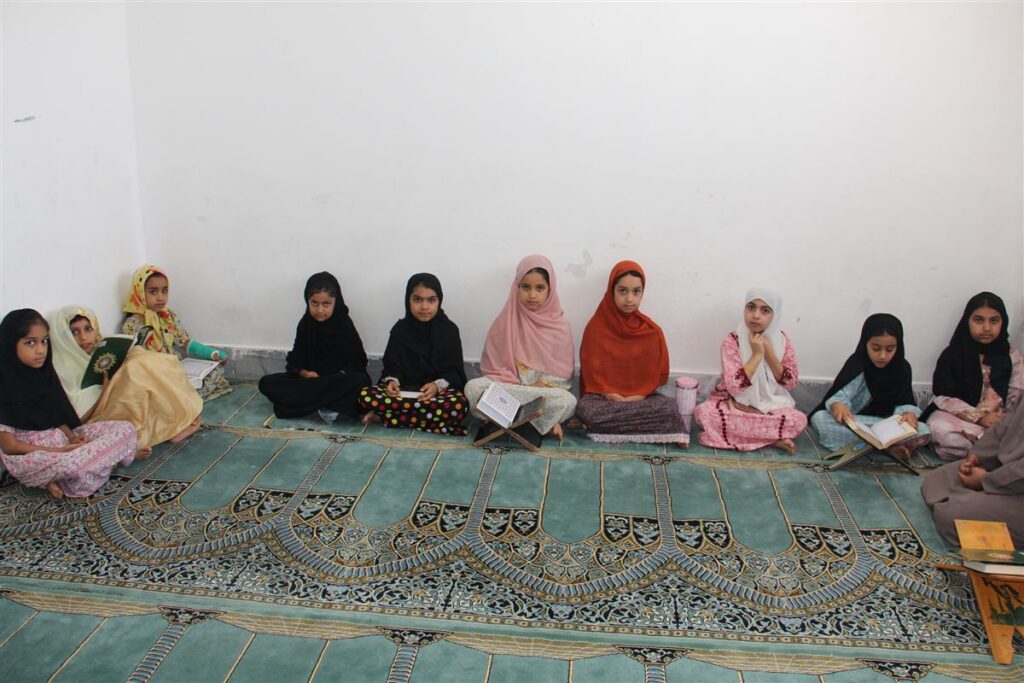
The etiquette of reciting the Quran is a set of simple points that deepen our closeness to the word of God. When we love a book, we approach it with preparation; the Quran likewise has etiquette, most of which is found in the Quran itself. In this article you will read seven key points for a better recitation of the Quran.
nn
1. Sincere intention and a calm heart
n
Begin the recitation with the intention to learn, seek guidance and draw near to God. The Quran is “a guidance for the people” (Al-Baqarah: 185), so approach it expecting to be guided by it. A quiet place, free of noise and distraction, helps with concentration.
nn
2. Purity and respect for the mushaf
n
It is recommended to sit calmly in a state of wudu, with a clean body and tidy clothes, to hold the mushaf with reverence, and not to place it on the ground or in an unsuitable place. The detailed rulings on this, such as touching the mushaf without wudu, are explained in the different schools of law; ask a scholar you trust about the exact ruling.
nn
3. Seeking refuge in God before reciting
n
The Quran says: “So when you recite the Quran, seek refuge in God from Satan, the accursed” (An-Nahl: 98). So begin the recitation with “A’udhu billahi min ash-shaytan ir-rajim” and “Bismillah ir-Rahman ir-Rahim”.
nn
4. Tartil: recite slowly and clearly
n
God said to His Prophet ﷺ: “And recite the Quran with measured recitation” (Al-Muzzammil: 4). Tartil means pronouncing the letters correctly, paying attention to the rules of tajwid, and not rushing. If you do not know tajwid, the best step is to learn it from a knowledgeable teacher. Every letter you recite carries a reward; the Prophet ﷺ said that whoever reads one letter from the Book of God earns a good deed, and each good deed is multiplied tenfold. (Narrated by at-Tirmidhi)
nn
5. Listening to the recitation of others
n
“And when the Quran is recited, then listen to it and be silent that you may receive mercy” (Al-A’raf: 204). So when someone is reciting, let us not busy ourselves with conversation or other work. The listener also shares in the calm and the mercy.
nn
6. Reflection and action
n
The Quran was not sent down only to be read: “This is a blessed Book which We have sent down to you, that they may reflect upon its verses” (Sad: 29). So after reading, reflect for a few moments on the meaning of the verse and the message it holds for your life. A reliable translation and trusted commentary help. Reflection is completed when we act on what we have understood.
nn
7. Consistency: a little, but every day
n
A few verses or a page a day is better than many parts once a week. Choose a fixed time, such as after the dawn prayer or before sleep, and turn recitation into a daily habit. If you have children, read a few verses together and encourage them; love builds interest, pressure does not.
nn
A few practical tips to begin
n
- n
- Choose a suitable, clear mushaf for yourself.
- If you cannot yet read fluently, join a Quran class; the Sadr al-Islam Complex in Bandar Khamir has classes for different ages, from the Quran kindergarten to memorization. To learn about them, visit the Quranic Deputyship page.
- Combine recitation with teaching others; on this subject, read the article The Virtue of Learning and Teaching the Quran.
- For questions or registration, use the Contact Us page and read more articles in the Articles section.
n
n
n
n
nn
Frequently asked questions
n
What is the etiquette of reciting the Quran?
n
The most important etiquette is sincere intention, purity and respect for the mushaf, seeking refuge in God, measured recitation with attention to tajwid, listening to others’ recitation, reflecting on the meaning, and consistency.
n
Must I have wudu to read the Quran?
n
Reading the Quran with wudu and in a state of purity is recommended. The detailed rulings, for example on touching the mushaf, are explained in the different schools of law; for a definitive ruling, consult a religious scholar you trust.
n
How much Quran should I read each day?
n
There is no fixed amount; what matters is that it is regular. A few verses or a page a day, as your capacity allows, is better than reading a lot irregularly.
nn
Conclusion
n
The etiquette of reciting the Quran is neither heavy nor complicated: sincere intention, calm, measured recitation, listening, reflection and consistency. Starting today, bring one of these seven points into your recitation, and gradually add the rest.